

Many patients arrive at physical therapy months after their symptoms started. The delay usually has nothing to do with how much the injury hurt. It comes down to a referral and to the common assumption that a physical therapist cannot see you without one.
That assumption is wrong in New York. Under New York State direct access regulations, you may have up to 10 physical therapy sessions within 30 days without a referral from a physician, and most insurance companies cover physical therapy provided under direct access.
The timing matters in September. The end of summer brings a lot of change in a short period. Desk hours return, marathon mileage climbs toward its October peak, sandals give way to closed shoes, and the first cool mornings arrive. Those demands land on bodies that spent three months moving more freely and on their own schedule.
These are common complaints as the season changes. Each section below covers what tends to bring it on, and the signs that mean it is worth having evaluated rather than waiting it out. If any of them sound familiar, H&D Physical Therapy can see you without a referral.
1. Neck and Upper Back Pain From the Return to Desk Season
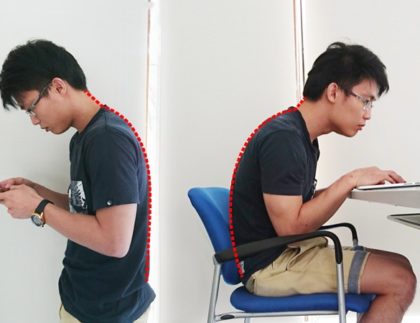
Summer Fridays end, travel slows, and full days at the desk return. Hours of sustained static loading come back after a stretch of months with far less of it, and the neck and upper back tend to register that first.
- Tightness across the tops of the shoulders that builds through the afternoon
- Headaches that begin at the base of the skull and wrap forward
- Tingling into the hand, often tied to a laptop-only setup with no external monitor
- Jaw and temple tension that rises and falls with your workload
When to seek care: Tingling or numbness into the arm or hand lasting more than a few days, or any weakness in your grip, should be assessed rather than stretched.
2. Marathon-Season Overuse Injuries
The TCS New York City Marathon is November 1, so weekly mileage is climbing now toward an October peak. Training errors that a twenty-mile week absorbed without complaint tend to surface once volume increases.
- Patellofemoral pain that appears at a predictable distance into a run
- Achilles soreness that hurts for the first mile, quiets, then returns afterward
- Lateral knee pain from IT band irritation on downhill or cambered stretches
- Shin and forefoot pain following a shoe change late in the cycle
- Hip and glute tightness that shows up during speed or hill work
When to seek care: Soreness that clears within a day of a hard effort is a normal part of training. Pain that alters your stride, arrives earlier in each run, or carries into the next day is worth evaluating now, while there are still weeks available to adjust the plan rather than abandon it.
3. Achilles and Foot Pain From the Seasonal Shoe Switch
Sandals and cushioned sneakers give way to closed shoes, boots, and harder soles over a few short weeks. Heel height and ground feel both change, and the calf and foot adapt to that more slowly than the calendar does.
- Sharp heel pain in the first few steps out of bed
- Calf and Achilles soreness that began within a week or two of the shoe change
- Forefoot burning or numbness in narrower shoes
- Ankle stiffness after days spent in footwear that limits motion
When to seek care: Heel pain lasting more than two or three weeks, or getting worse rather than better, rarely resolves on its own. It responds considerably faster to treatment early than it does after six months.
4. Low Back Pain From Fall Cleanup and Heavy Lifting
Seasonal chores tend to arrive together, and many of them involve lifting something awkward in a position you do not otherwise train for.
- Pulling air conditioners out of windows, which loads the low back while it is both bent and rotated
- Hauling storage bins up and down brownstone or walk-up stairs
- Terrace and yard cleanup, where a raking motion repeats hundreds of times without a change in position
- The first heavy gym session after a summer of lighter, less structured training
When to seek care: Pain that stays centered in the low back and eases once you are moving often settles within a week or two. Pain that travels into the buttock or down the leg, numbness, or weakness in the foot should be evaluated promptly.
5. Knee and Hip Stiffness as the Mornings Turn Cool
Cold-weather joint pain is well documented, though the mechanism is not the one most people assume. Cold does not damage cartilage. It affects how soft tissue behaves, and it changes habits, since fewer people walk the long way in November than in July. The first cool mornings are a useful early signal.
- Morning stiffness that takes fifteen to thirty minutes to work out
- Aching on subway stairs that was not there over the summer
- Discomfort that improves once you are up and moving, then returns after sitting
- Old injury sites that flare before anything else does
When to seek care: Stiffness that loosens within half an hour of getting up is common and responds well to a targeted strength and mobility program. Swelling, locking, a knee that gives way, or pain that wakes you at night points to something that needs an in-person assessment.
What If Nothing Hurts Yet?
Direct access is not only for problems that have already started. If a knee gets cranky every fall, or if a race is eight weeks out and the question is whether your hips can handle the volume, that is a reasonable basis for booking an evaluation. A physical therapist can screen strength, mobility, and movement patterns and identify the weak links before the season finds them.
Why Waiting Makes Things Harder
A four-week-old ache and a six-month-old ache are not the same problem. When something hurts, movement patterns shift to avoid it, and those compensations become the new default. The muscles around the painful area lose capacity, the joints above and below absorb load they were not built for, and the original irritation gains company. A straightforward knee issue can become a knee, hip, and low back issue over a single season. Early treatment also tends to be shorter.
What Direct Access Covers in New York
Under New York State direct access regulations, you may have a maximum of 10 physical therapy sessions within 30 days without a referral from a physician, whichever comes first. Most insurance companies cover physical therapy provided under direct access.
Before your initial evaluation, our team contacts your insurance carrier to determine your specific plan requirements for a referral or preauthorization, so your coverage is clear before you walk in rather than after. If you need treatment beyond the direct access period, we provide progress notes to your primary care physician or a specialist of your choice, collaborate with them on your continued plan of care, and can refer you to specialists we work with and trust.
What to Expect at Your First Visit
Your first appointment is a full evaluation with a licensed physical therapist, one-on-one, for the duration of the session. It covers a history of the problem, a movement and strength assessment, hands-on testing of the painful area and the joints around it, and a plan you leave with the same day. Most patients also leave with a short home program, since what happens between visits shapes how quickly the visits stop being necessary.
The Takeaway
The demands of a new season are predictable, and the aches that follow them are easier to address early than late. You do not need a referral, you do not need to wait for a physician's appointment, and you do not need to be certain the problem is bad enough. That is what the evaluation is for.
Schedule Your Evaluation Today
H&D Physical Therapy sees patients at five New York City locations, and we also offer home visits, telehealth, and onsite corporate clinics. Schedule your appointment online or call the clinic nearest you.





You must be logged in to post a comment.